
.webp)

Key Takeaways
- Nestore asserts that the point of sale is a medium in its own right, one of the last spaces the brand fully controls.
- The rapid evolution of media, from press and television to social networks, has fragmented channels and reduced message control: reviews, influencers, virality, algorithms... everything can alter brand perception.
- Faced with this loss of control, physical space becomes a strategic refuge: it allows brands to regain control over their brand universe expression.
- The pop-up store, thanks to its agile and immersive format, transforms space into a genuine communication medium, where every detail is controlled (scenography, reception, customer journey, ambiance).
- The in-store experience creates tangible storytelling: the message isn't just consumed but lived, engaging emotions, interactions, and memory.
- The pop-up store strengthens omnichannel consistency: it fits into a global journey where web messages, social media, and physical experience remain aligned.
- By turning the point of sale into a medium, the brand regains power over its communication, ensuring control, authenticity, and real experience.
The point of sale: the last media channel you truly control
At Nestore, we are convinced: the point of sale is a medium in its own right. This isn't a marketing slogan, but a genuine conviction that guides our actions. In an era where brands struggle to control the distribution of their messages, physical space – and particularly the pop-up store – becomes a unique, tangible, and perfectly controllable expression space.
This is why we work closely with brands to help them understand and measure the performance of their retail spaces.
Media: a story of meteoric rise
To understand why the physical space can become such a powerful medium, we need to look back at how media have evolved. For centuries, brands communicated through a few clearly defined channels: print, radio, outdoor advertising, television. These formats were one-directional, controlled, with messages fixed in time.
Then came the internet — followed by social media — overturning every rule. Today, brands face fragmented channels, message overload, and a growing loss of control over their storytelling. Influencers, customer reviews, viral content and “bad buzz” can reshape a brand’s image in seconds.
The pop up store as media: a channel you finally control
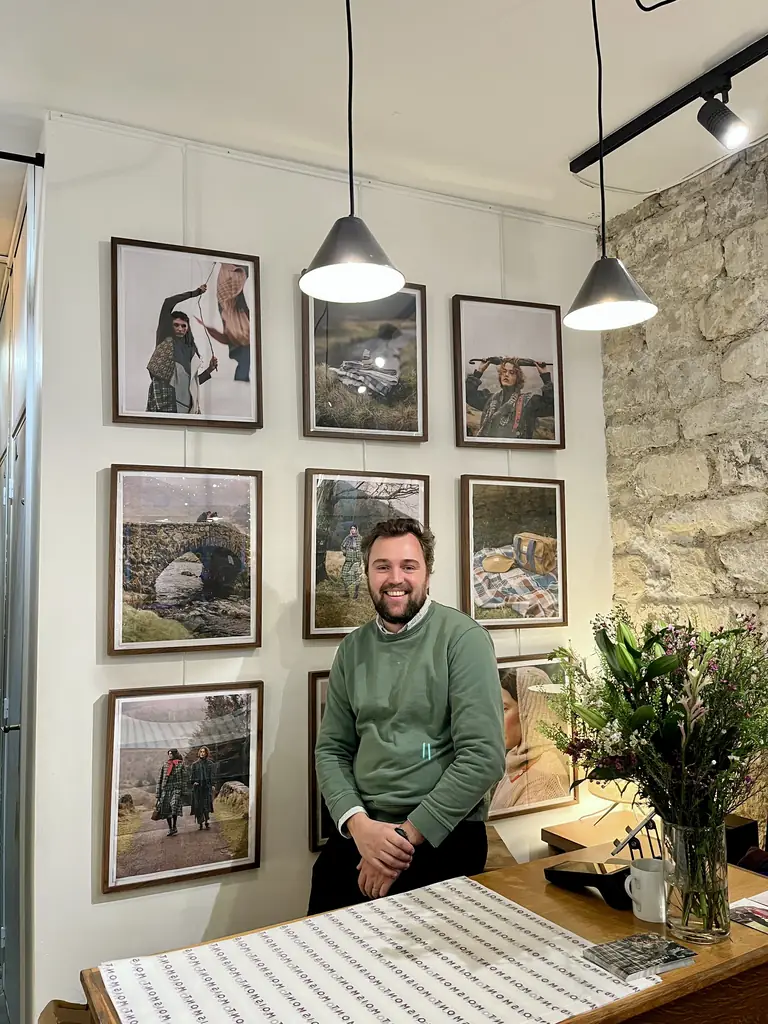
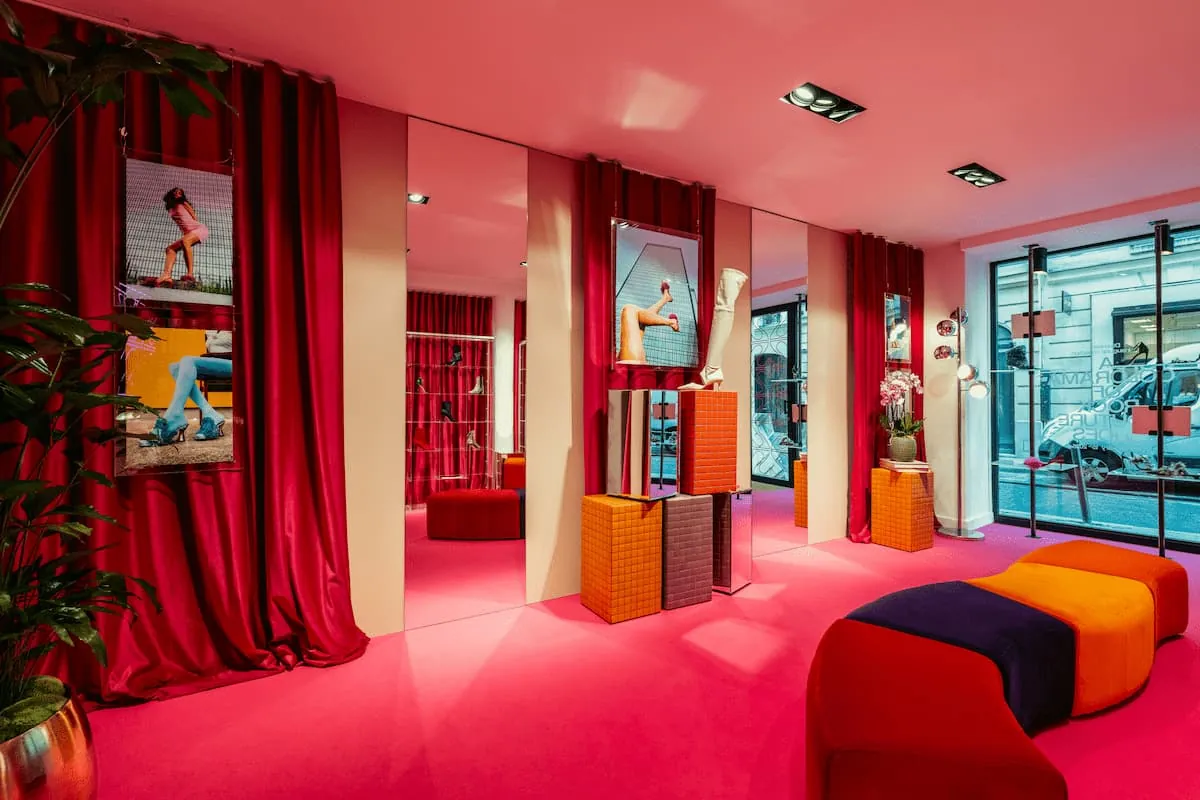
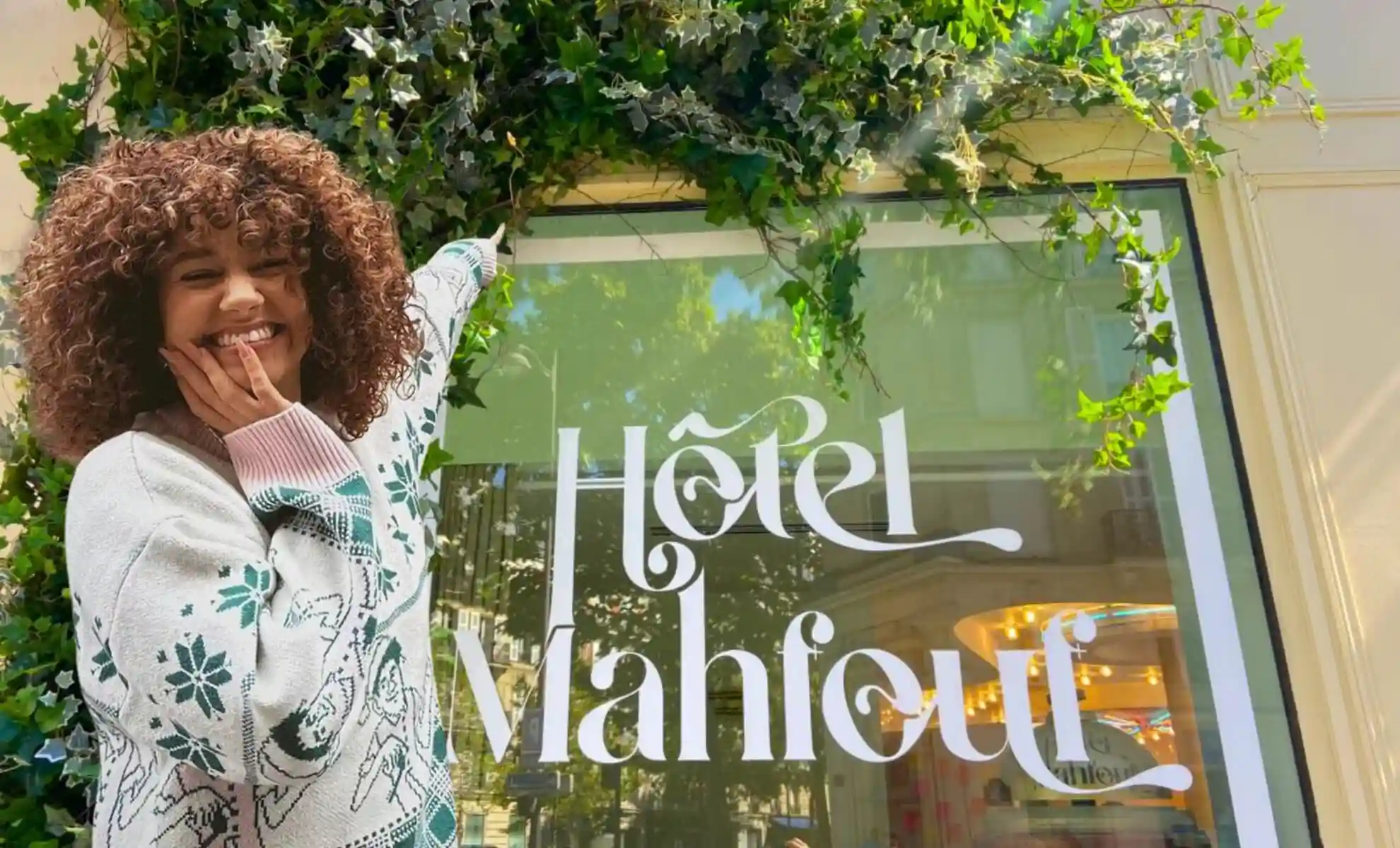
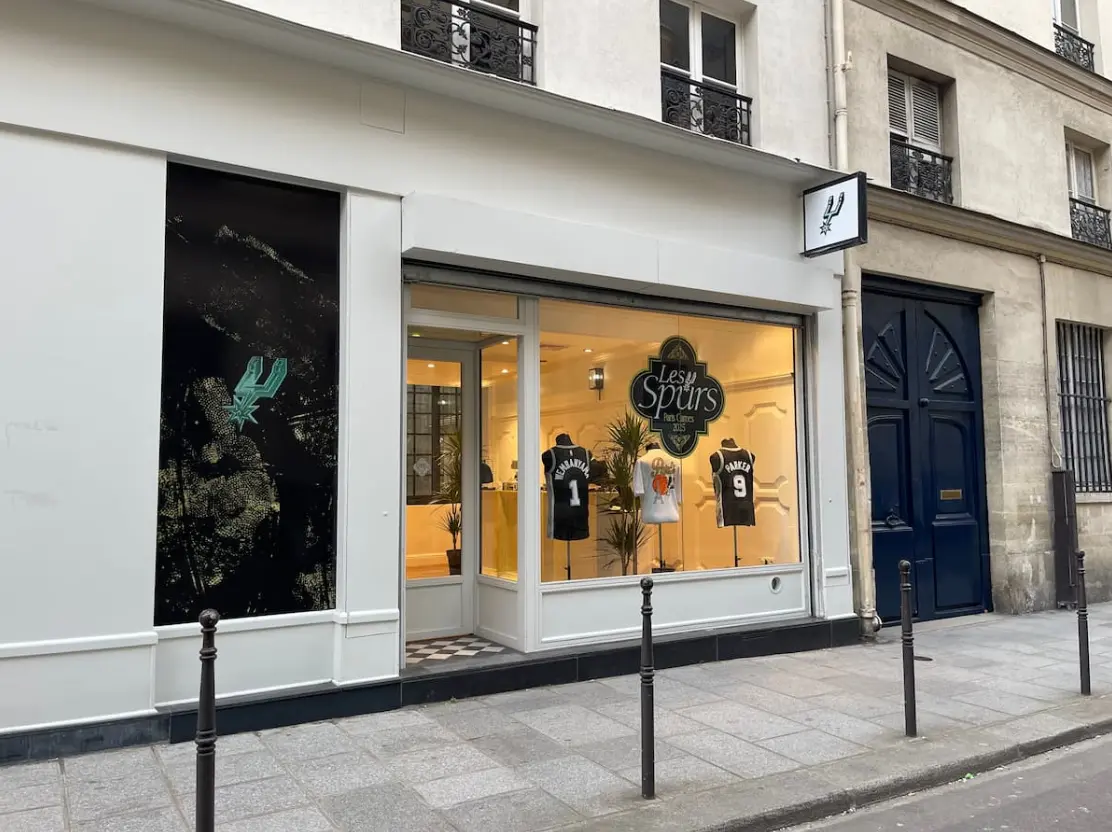
In this unstable media landscape, the physical space emerges as a strategic refuge. Unlike digital channels, it offers a space where the brand regains full control of its message. The pop-up store, in particular, is an agile and immersive format that allows brands to communicate differently.
The space becomes an extension of the brand universe: every detail — layout, design, welcome experience — contributes to delivering a coherent and controlled narrative. In this sense, the retail space is a media channel in its own right: living, embodied, and fully mastered from end to end.
Tangible storytelling
While digital content is consumed quickly and often distractedly, the point of sale captures genuine, undivided attention. The experience is memorable, sensory, engaging. Instead of simply reading a message, the visitor lives it. They interact with products, with teams, with a scenography built to convey a story.
This real, physical interaction allows the brand to express its values, spark conversations, and build a strong emotional connection with its customers.
Towards a more coherent brand strategy
Positioning the point of sale as a media channel also reinforces communication consistency. In a world where consumers move from one touchpoint to another (website, Instagram, store, event…), the message must remain aligned.
The physical space ensures this continuity. It becomes a key moment in an omnichannel journey — a tangible step where the brand promise comes to life. Integrated into a broader strategy, it amplifies marketing actions and strengthens loyalty.
Reclaiming control over your communication
Today more than ever, the point of sale is a strategic communication tool. It offers brands what few other channels can guarantee: control, authenticity, and the power of real-life experience.
At Nestore, we help brands transform their spaces into genuine communication platforms. Whether through a pop-up store or an event-driven retail concept, we see retail as media.
And you — are you ready to take back control of your communication?
Conclusion
In an unstable media landscape where brands have lost control of their messages, the pop-up store emerges as a powerful tool to restore control and strengthen communication consistency. By transforming physical space into media, brands can create a strong, tangible, memorable experience — far from the volatility of digital content. More than just a sales location, the pop-up becomes a stage where storytelling comes to life, where values are felt, and where the relationship with customers intensifies.
Fad or sustainable future? If the format addresses structural challenges — the need for authenticity, the quest for tangible experiences, the desire for control — it could well become a lasting part of the retail landscape. Not as a passing trend, but as a strategy in its own right: more controlled, more authentic, and deeply connected to the brand's essence.
To go further:
Retrouvez plus d'infos dans notre guide du pop up store