
.webp)
Yasmeen Perrin
Retail decoded: why pop-up stores are becoming Houses ?
One might assume it's merely a detail. A simple choice of words.
And yet, in retail, words are never neutral.
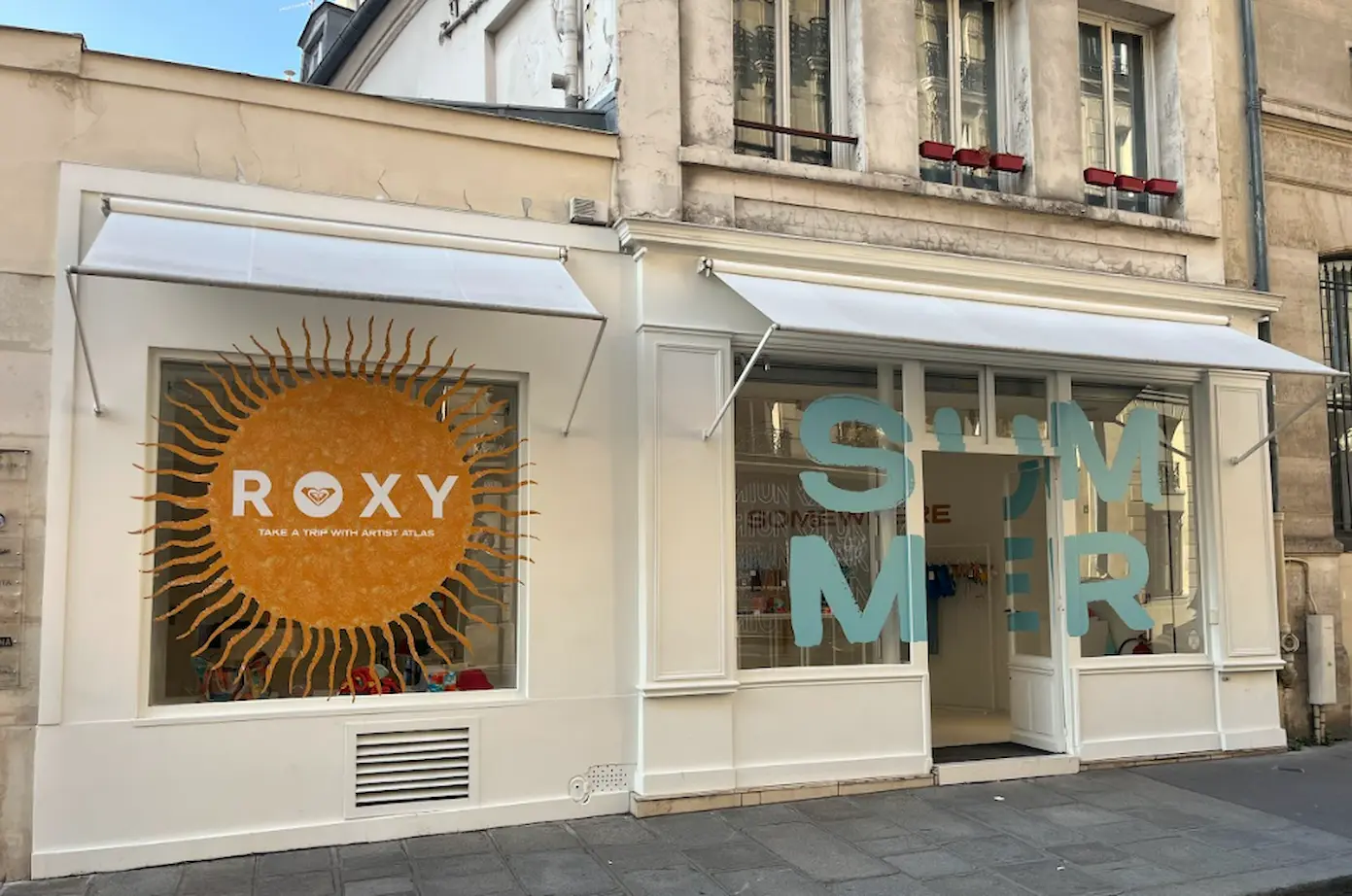
For some time now, brands have stopped talking about pop-up stores. Instead, they open Houses :
Running House.
Glow House.
Summer House.
Behind this shift in language lies an intention. A strategy. A fundamentally different way of approaching the relationship with the customer. Because naming a place is defining the way it will be perceived.

A word that shifts perception
A "store" is a point of sale. A space conceived first and foremost for commercial performance, structured around product and revenue.
A "house" is something else entirely. The word evokes hospitality. Intimacy. Closeness. You don't enter a house the way you enter a shop, and that is precisely where the shift occurs.
By speaking of a house, the brand completely reframes how its audience perceives the space : you no longer come simply to buy. You come to meet, to share, to spend a meaningful moment.
The vocabulary chosen is everything : it redefines the place entirely before the experience has even begun.
When the word becomes a branding tool
Let's look at concrete examples.
The New Balance Running House in Marseille (with Nestore)
Here, the space becomes a rallying point. A place to talk running, make protein bars, take part in activities together. Community is at the core. The word "house" anchors the idea of a home for runners, a place where you belong.
.webp)
The Respire Glow House
Respire didn't simply create a beauty space. They gave physical form to their universe, one built around wellbeing and energy. "Glow" sets the tone, "House" gives it shape : an intimate, warm space bathed in amber hues, a world away from the cold, transactional feel of a conventional point of sale.

The Lancôme Idôle House
Rather than opening a conventional pop-up, Lancôme chose to name their space the "Idôle House." You don't simply try a fragrance, you step inside the house of Lancôme. Here, "House" acts as a marker of closeness, transforming a commercial interaction into an emotional encounter with the brand.
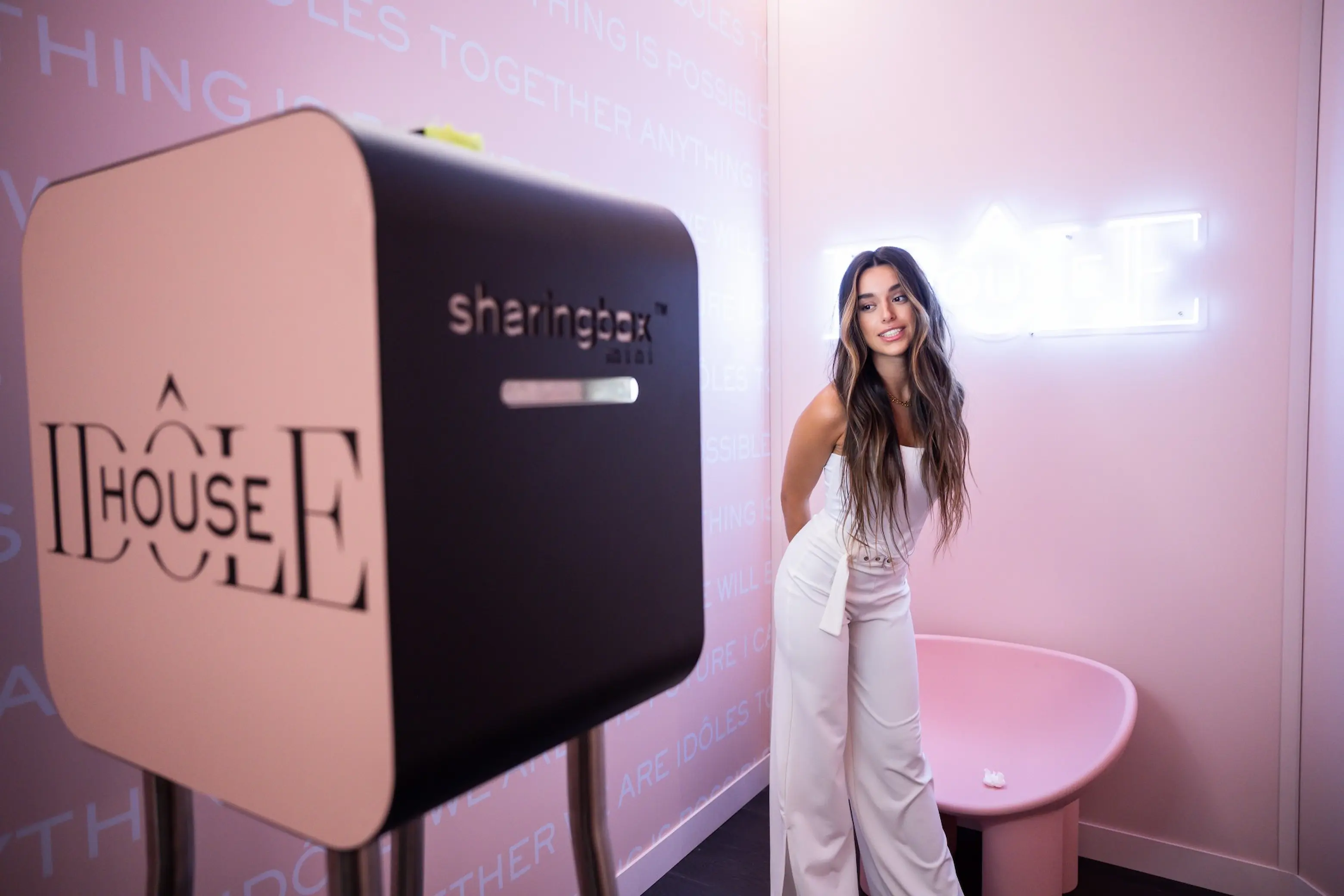
In each of these cases, the word acts as an emotional engine. It sets an atmosphere before the scenography has even begun.
Why this choice, and why now?
Because retail is no longer purely a distribution channel. It is a medium. An image lever. A tool for building loyalty.
In a saturated environment, the difference is no longer made on product or price alone. It is made on perception, and perception begins with language.
Choosing "house" is a way of softening the commercial dimension. Of creating closeness. Of positioning the brand as something beyond a merchant.
It is a way of saying : we are not simply selling you something. We are opening our doors and welcoming you in.
The strategic weight of words
Naming is too often an afterthought.
And yet it shapes everything:
- How the customer projects themselves into the space
- The tone of all communication
- The scenography of the place itself
- The virality of the experience on social media
A single word can make a space feel cold, or utterly desirable.
This power rests on subtle, almost invisible psychological mechanisms. Because words activate mental images.
Conclusion
If brands are talking about "Houses" today, it is no accident. It is the sign of a retail landscape actively seeking to build lasting connection, to establish a relationship rather than trigger a transaction.
The words we choose shape the emotions of those we speak to.
In an industry where everything is a question of image and attention, strategy sometimes begins with something very simple: the right word.
Ready to create your own House and offer your audience a truly distinctive experience ? At Nestore, we accelerate brand growth by unlocking the full potential of ephemeral retail.