
Yasmeen Perrin
Fashion Week 2026: The Showroom Revolution in Paris
Every year, Fashion Week electrifies Paris. Runway shows fill the calendar, after-parties stretch late into the night, and industry insiders move from one cocktail event to the next.
Yet beyond the spotlight and front rows, the real business unfolds elsewhere: inside the showrooms.
Across the French capital, these spaces are popping up everywhere, constantly reinvented in new concepts and formats.
Once discreet and strictly industry-only, showrooms used to have one clear mission: giving established labels and rising designers a space to present their latest collections to buyers and retail partners.
That’s no longer the whole story.
Today, showrooms in Paris, are designed to be seen. They’ve become brand statements in their own right — immersive environments crafted not just for wholesale appointments, but for visibility, storytelling, and shareability. What used to happen behind closed doors is now part of the spectacle, amplified through social media and direct engagement with a wider audience.
So how did showrooms shift from quiet sales hubs to strategic brand platforms? And what new pressures — and opportunities — are redefining their role during Fashion Week?

In the past, a showroom followed a clear set of unwritten rules: it operated quietly, access was limited to a carefully curated guest list — press, top clients, buyers, and key opinion leaders — and media or digital exposure was minimal, if not nonexistent.
Today, that model has been turned on its head.
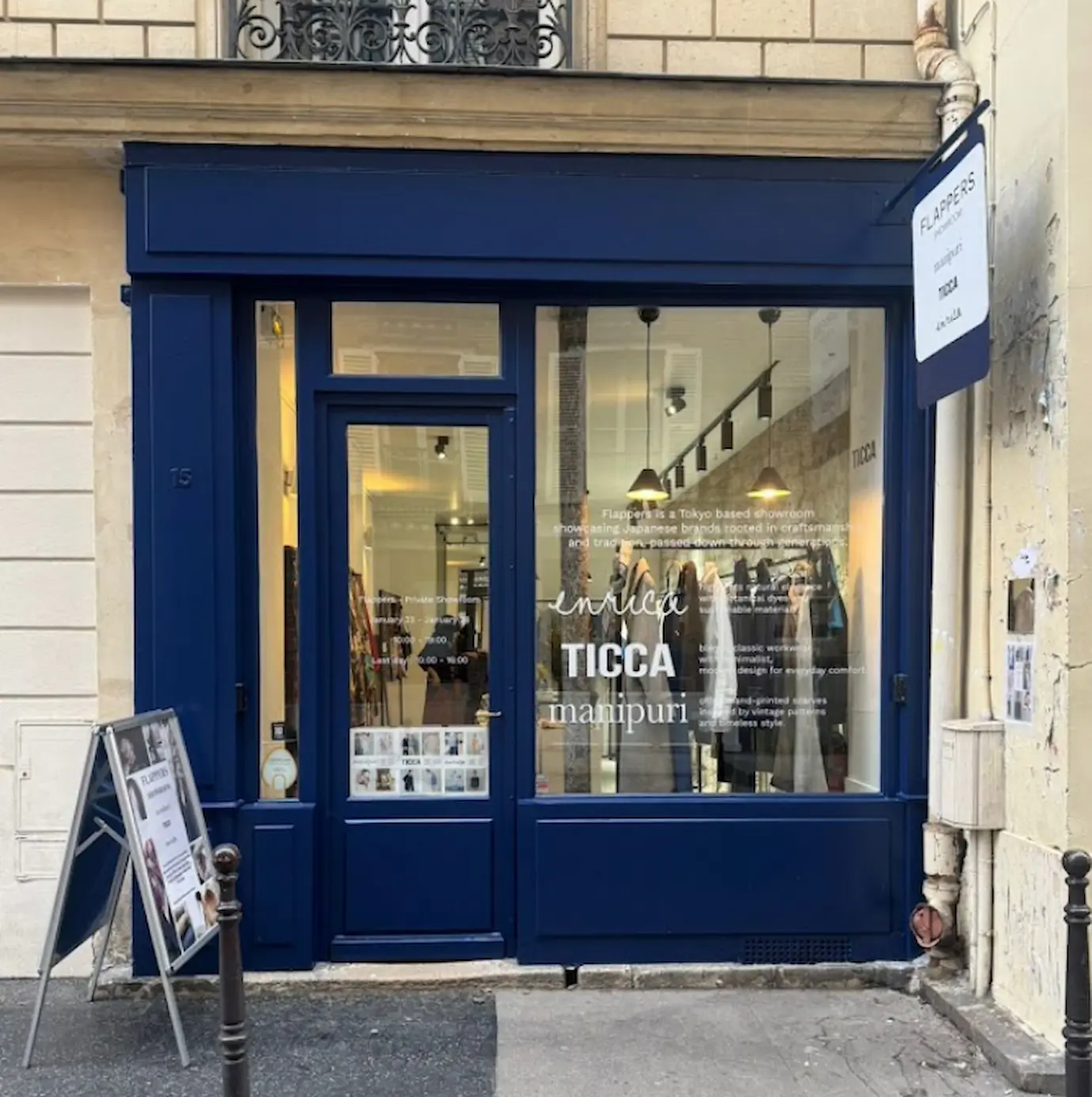
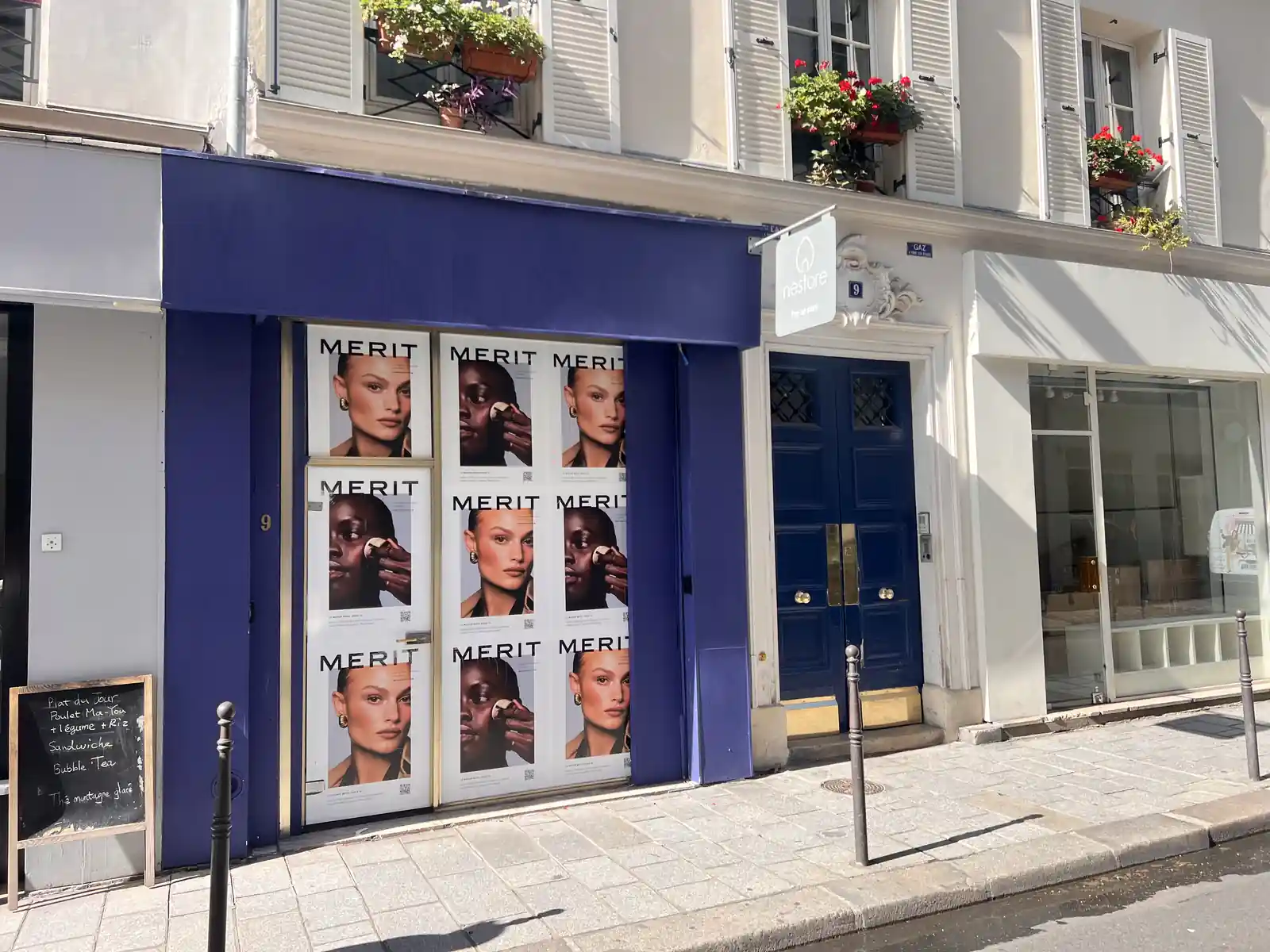
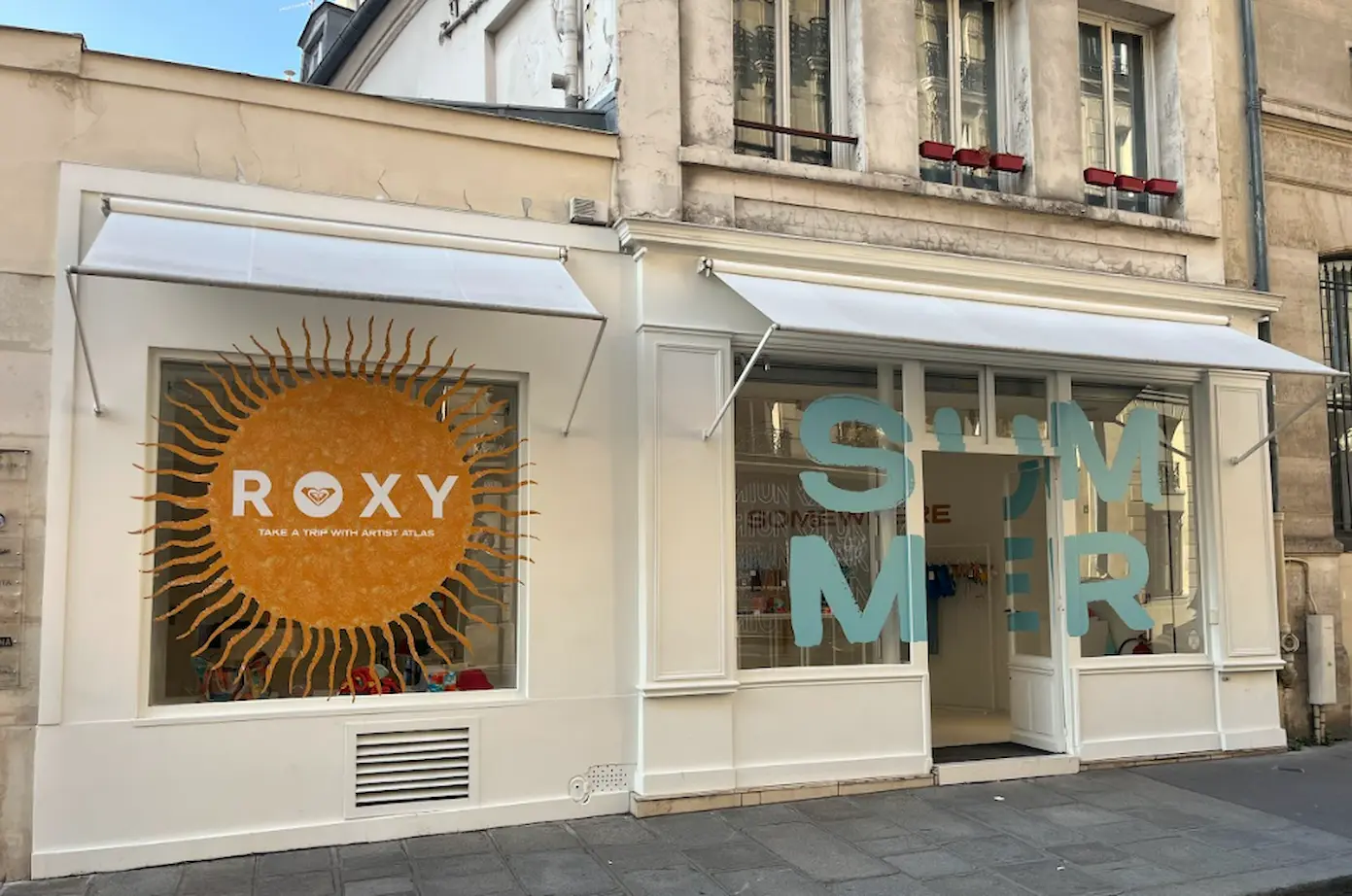
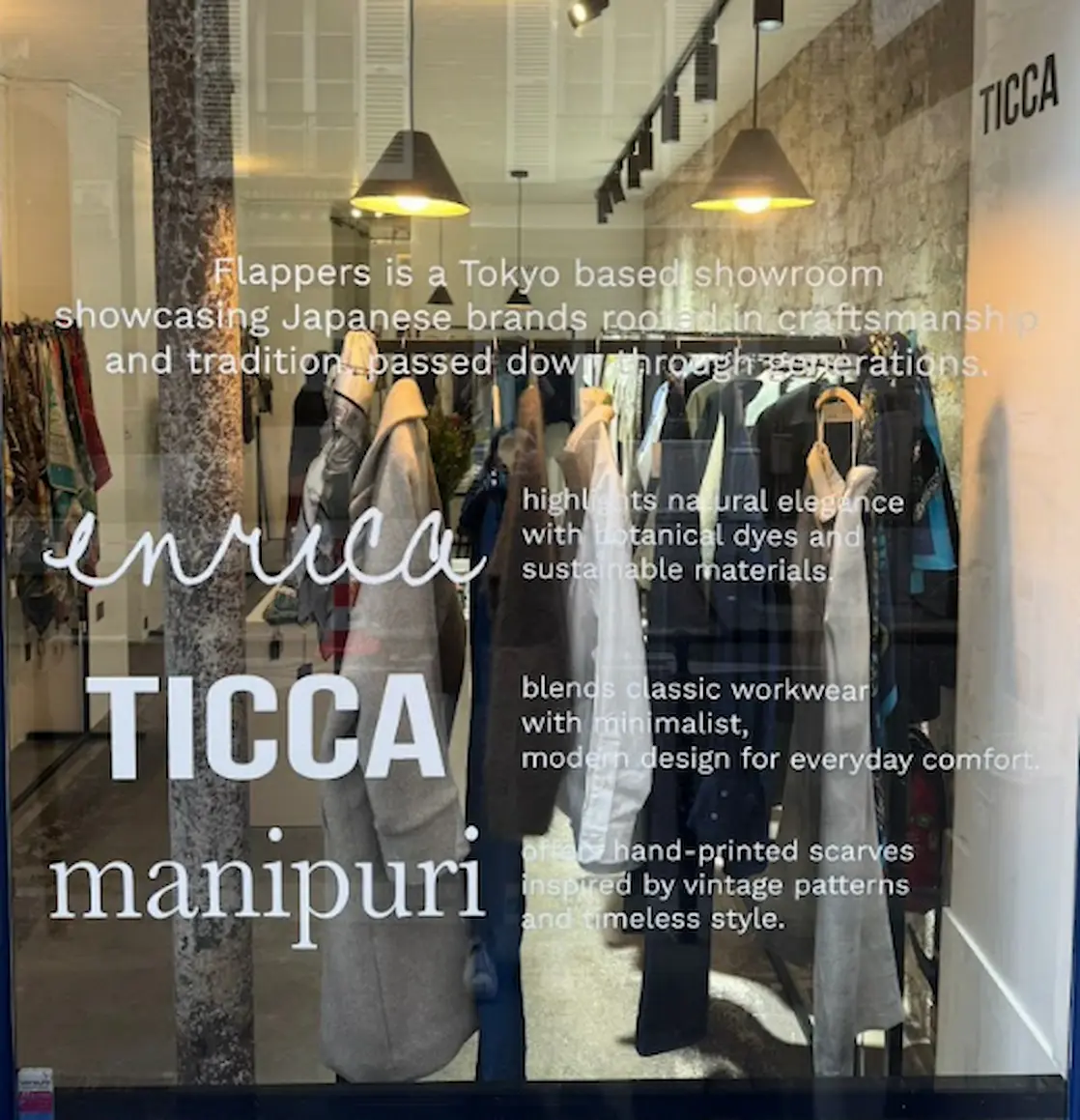
Demand is now shifting toward showrooms located on busy streets — spaces that are highly visible, impossible to miss, and designed to catch the eye from the outside. Showrooms have stepped out of the shadows and into the spotlight.
In the past, the venue itself was secondary. Brands would opt for simple, raw, even industrial spaces, chosen mainly as neutral backdrops to let the collection stand out. The clothes were the true focus.
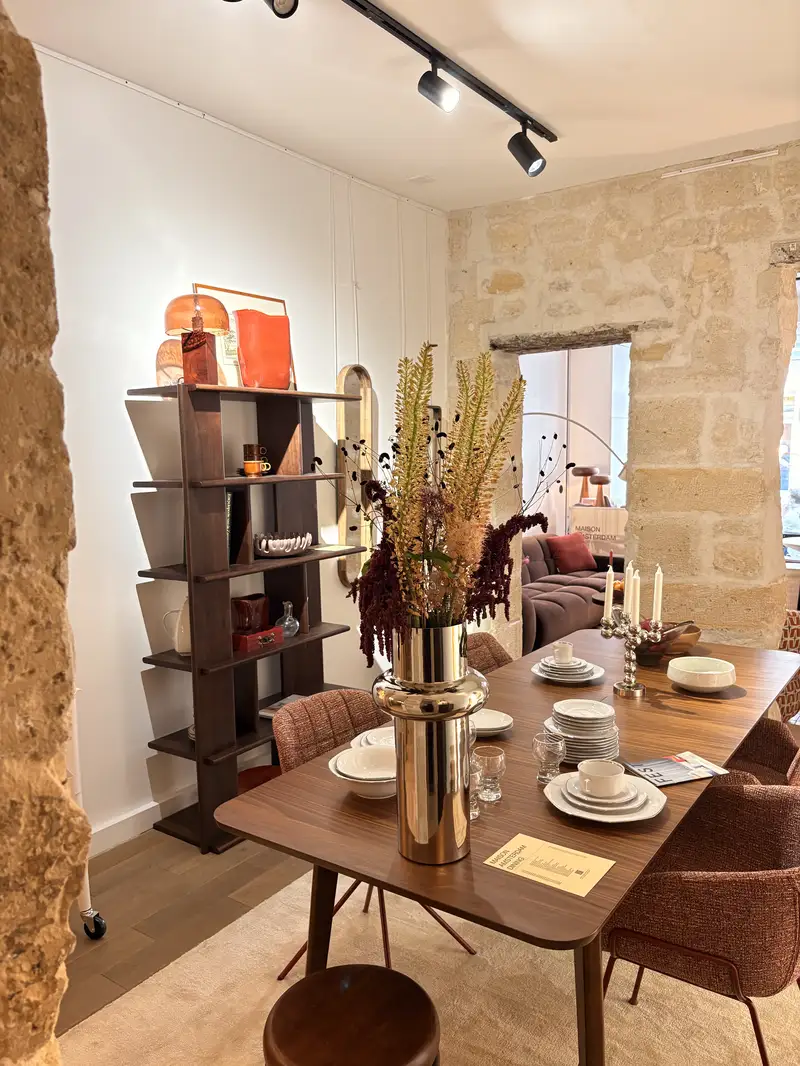
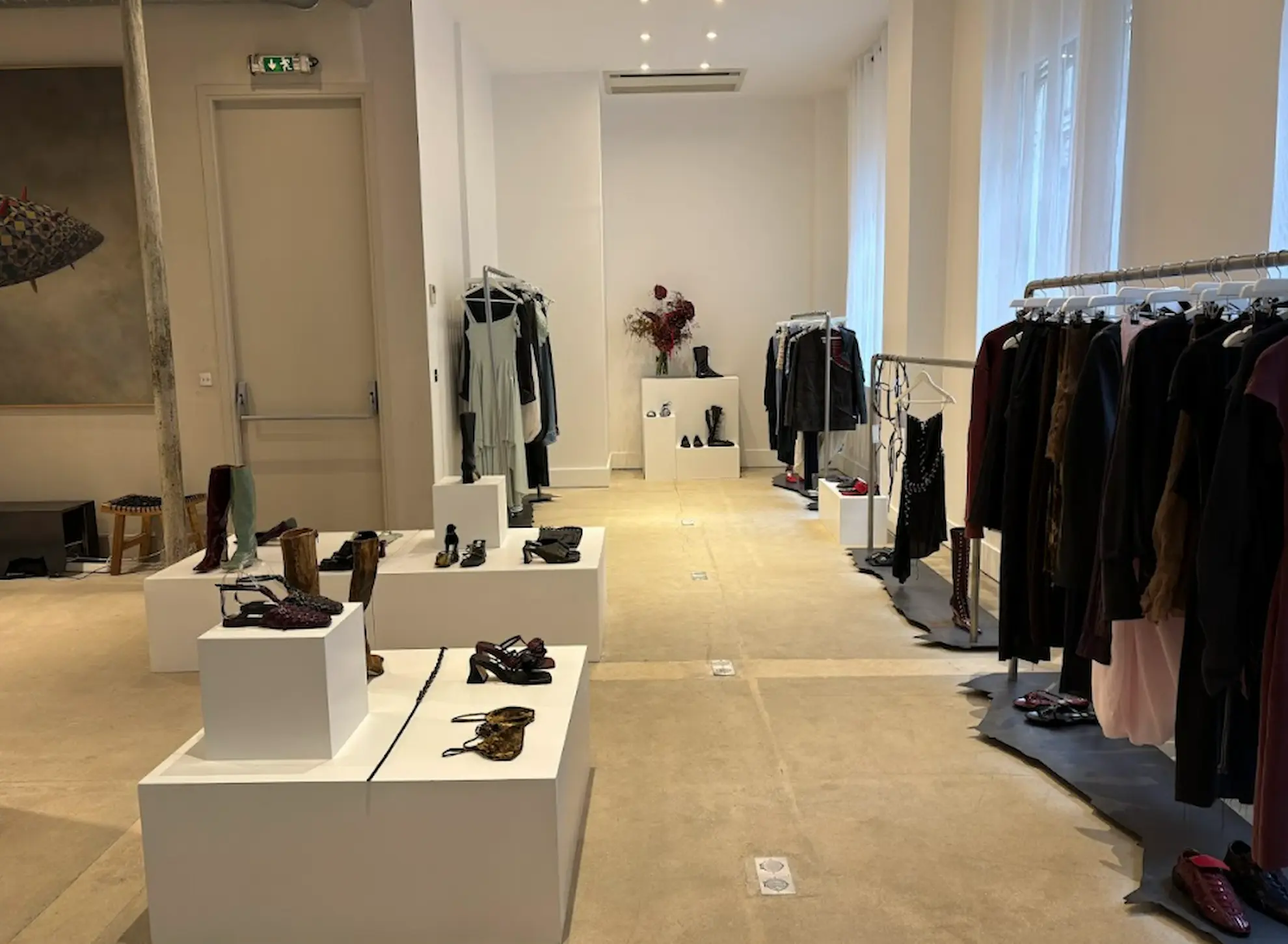
Today, the setting plays a leading role. It’s a key part of the overall experience — because that’s what it has become: an experience. A brand experience that goes far beyond simply displaying products.
The showroom has evolved into a fully immersive space where a brand’s identity and storytelling come to life — through materials, scenography, sound design, and atmosphere. It’s also where visitors begin to build a closer, more personal connection with the label.
So what’s driving this shift?
An overcrowded calendar
During Fashion Week especially, Paris is saturated with brands competing for attention. With so many events happening at once, standing out has become a challenge. The most effective way to cut through the noise? Offer something memorable. Not just a presentation — but a distinctive experience.
Rising expectations in the fashion industry
A few garments hanging neatly on racks no longer make an impression. Today’s visitors expect more. They want to feel something. They want to step into a world, understand a vision, and connect emotionally with a brand.
A less rule-bound fashion world
Fashion has long been governed by codes, conventions, and unspoken rules. But those rigid frameworks are gradually loosening. Individuality is now celebrated. Brands that challenge norms, embrace bold identities, and reject traditional expectations are often the ones that resonate most.
Image is everything
Showrooms once served a clear B2B purpose: presenting new collections to buyers and professional partners. Now, they are designed with a much broader audience in mind. They’re built to be seen, photographed, and shared. In the age of social media, a showroom isn’t just a sales space — it’s visual content, a branding tool, and a stage for amplification.
Conclusion
In short, showrooms are undergoing a clear transformation. What was once a discreet, functional space has evolved into something designed to be seen, experienced, and remembered. Today, the showroom is no longer just a backdrop for a collection — it’s a strategic asset for the brand itself.
It’s no longer purely commercial. It’s a platform for expression, a way to stand out, and a powerful tool for visibility. A showroom now embodies a brand’s universe, brings its vision to life, and stages a narrative that can leave as strong an impression as the collection itself.
At a time when attention is scarce and competition is everywhere, simply presenting products isn’t enough. Brands need to captivate, immerse, and create emotion.
Paris Fashion Week offers the perfect opportunity to unveil your showroom and turn it into a true expression of your brand identity. Discover our showrooms selection and pop-up spaces available to rent for Paris Fashion Week — or for any other special occasion.