
Lou Castera
Pop-up stores, run clubs, and the rise of community-driven retail
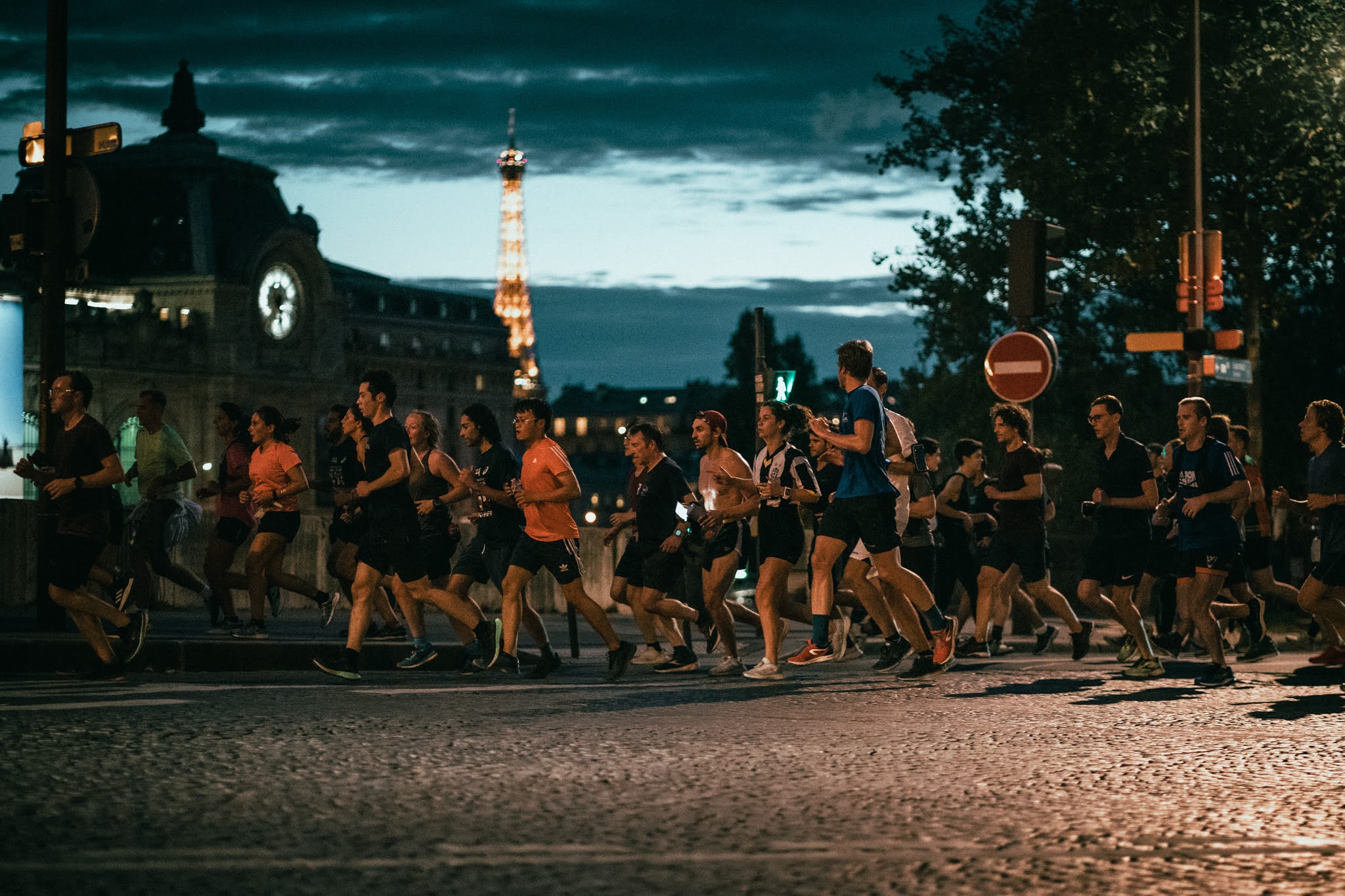
Ten years ago, coming of age had a very specific soundtrack: heavy bass, endless shots, and rough mornings after. Today, that generation has made room for another one. A generation that wakes up at 7am on a Saturday to run 10 kilometers with strangers who quickly become familiar faces, that ends the run over coffee or a smoothie, and leaves with a few new contacts saved in their phone.
Sports brands saw this shift coming. More importantly, they understood how to respond to it physically. And one format has quietly become central to that strategy: the pop-up store.
Over the past few years, one question keeps coming up: why are run clubs multiplying everywhere, and why are pop-up stores appearing across every major urban neighborhood? This isn’t coincidence, and it’s not just a trend. It reflects a deeper transformation in how younger generations live, socialize, and connect.

The pop-up store as a meeting point
Once seen as a temporary retail tactic, the pop-up store has taken on a different role. It’s no longer just about selling or testing a market. It’s about creating a physical, localized point of contact.
For sports brands, it has become a gathering space. A place people come to before or after a run, a place they return to regularly, a place where relationships that started online or through shared interests can take shape in real life. Its flexibility and immediacy make it particularly well suited to a generation that values presence as much as convenience.
A healthier generation, still looking for connection
This shift is rooted in changing lifestyles. Gen Z is redefining its habits, especially when it comes to consumption and health.
One of the clearest signals is the evolving relationship with alcohol. According to Santé Publique France, daily consumption has dropped significantly in recent years, and an increasing share of young people simply choose not to drink at all. This is less about restriction and more about intention.
What’s driving it is a broader focus on well-being. Mental health, sleep quality, physical performance, and self-image have become central priorities. As a result, the spaces and rituals of social life are evolving with them.
Hyper-connected, yet lacking real connection
At the same time, this generation faces a well-documented paradox: it is the most connected in history, yet one of the loneliest.
In France, 62% of 18–24-year-olds say they regularly feel lonely, according to Ifop. Studies from Fondation de France and IFOP-Astrée point in the same direction, highlighting a growing sense of isolation among younger populations.
The issue is not a lack of interaction, but a lack of meaningful, in-person connection. Digital communication is constant, but often insufficient. What emerges from this is a clear need: spaces that enable real encounters, in simple and accessible ways.
Running as a new form of social connection
This is where running comes in—and not just as a sport.
In 2025, over 13 million people in France reported running, according to the Observatoire du Running. But the real shift lies in how the activity is practiced.
The rise of social run clubs illustrates this perfectly. More than 40,000 clubs are now listed across Europe on Strava. Open, recurring, and often free, these groups turn an individual activity into a shared experience. People show up to run, but they stay for the conversations, the routine, and the sense of belonging.
Running has become a social format. A way to meet, without pressure, in a context that feels natural.
Where run clubs and pop-up stores meet
In this context, the connection between run clubs and pop-up stores becomes obvious.
Sports brands have understood that to be part of these new dynamics, they need physical anchors. The pop-up store plays that role. It becomes a meeting point, a starting line, a place where the community gathers before and after the run.
During the 2026 Paris Marathon, several activations made this particularly clear. Adidas created its “Adidas District” by taking over multiple spaces to build a temporary ecosystem. New Balance opened a “Run House” designed as a community living space. Nike and Saucony also turned their pop-up stores into hubs for runs, events, and gatherings.
In each case, the product remains present, but it is no longer the center of attention. The collective experience is.
The pop-up store as a tool for connection
What these initiatives reveal is a broader shift in the role of retail.
Pop-up stores allow brands to embed themselves in a neighborhood, create a moment, and generate real-world interaction. Their temporary nature creates urgency and interest, while their flexibility allows them to adapt quickly to local communities.
In a context where many young people are actively looking for connection, this ability to bring people together becomes a powerful strategic advantage.
What this says about retail today
The rise of run clubs and pop-up stores tells the same story. Consumption alone is no longer enough.
Younger generations are more selective, more health-conscious, and more intentional. But they are also looking for experiences that allow them to meet others and be part of something.
Retail, in that sense, is becoming relational rather than transactional. Physical spaces are not disappearing—they are evolving. They are no longer just places to buy, but places to connect.
And within this shift, the pop-up store stands out as a particularly relevant format: flexible, local, experiential, and capable of turning a brand presence into a genuine point of connection.
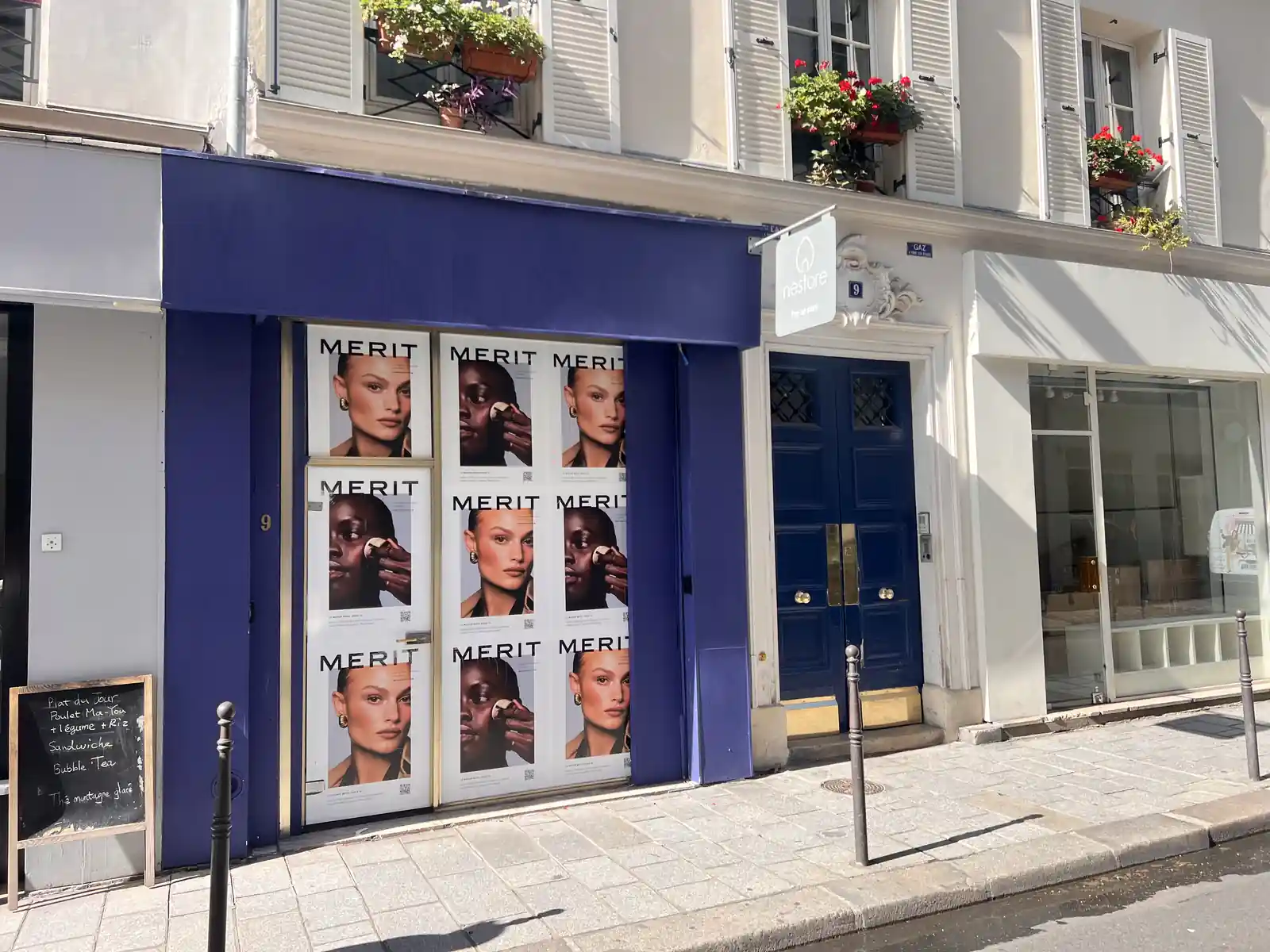
Nestore.com is a network of pop-up stores available for brands looking to activate their community, test new markets, and create impactful physical experiences.
→ Discover available spaces on Nestore.com