
Surprise case study: from pop-up to permanent store
Did you know? Opting for a pop-up store is estimated to cut the financial risks of opening a shop by 60%.
For a young brand, that figure changes everything. Surprise, a premium, eco-friendly knitwear brand, understood this early on. Before signing a single lease, it tested, measured and learned through pop-up retail.
The result: the brand has made its mark on Parisian retail and now runs several permanent stores in the Marais. Here is a look back at a step-by-step expansion strategy.

A DNVB stepping off the screen to stand out
Online, DNVBs are multiplying. Eco-friendly fashion is no exception: brands look alike, acquisition costs keep rising, and standing out on social media has become an expensive exercise.
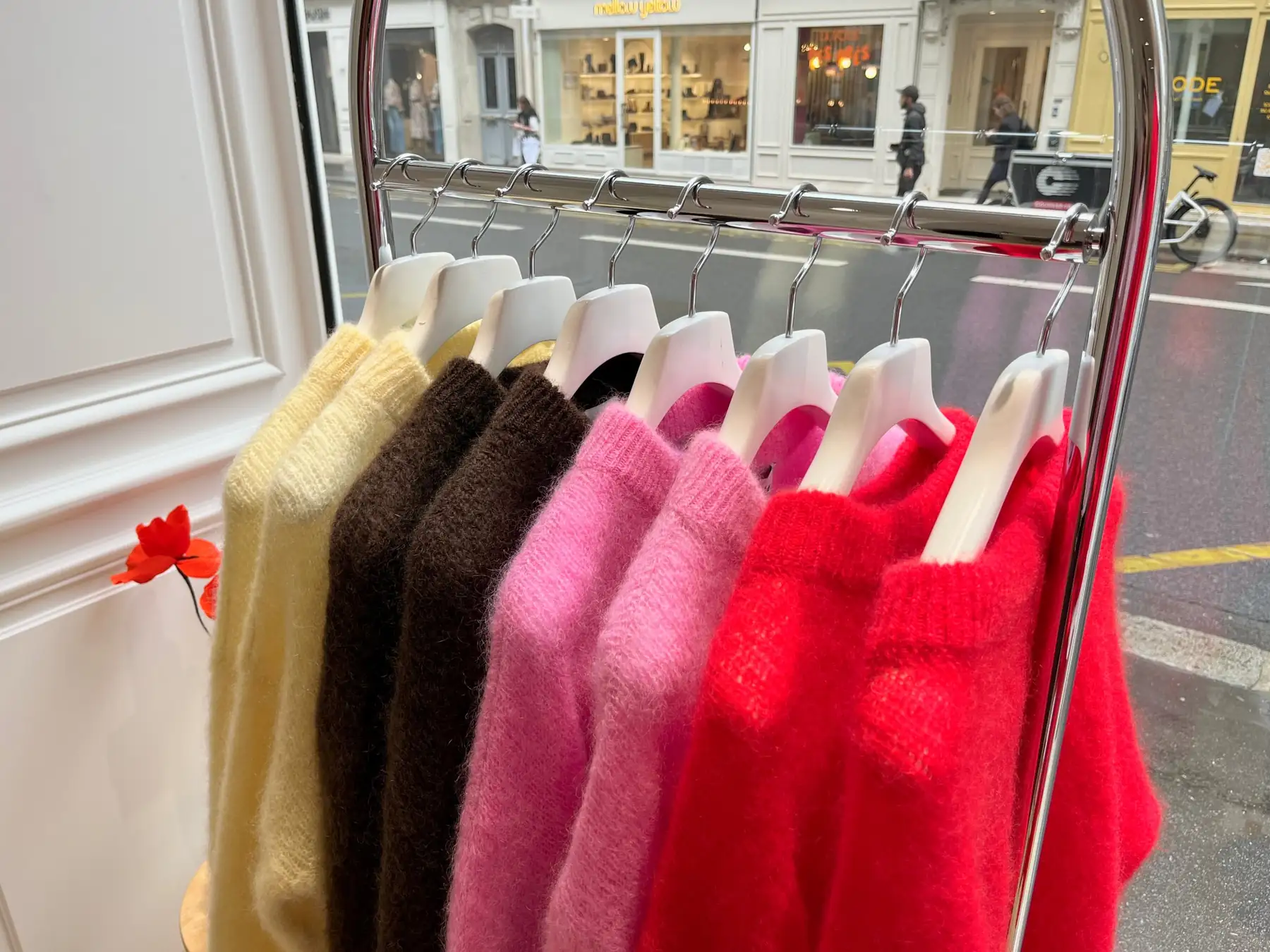
Surprise drew a simple conclusion: for premium knitwear, the screen has its limits. The feel of mohair, the drape of a sweater, the quality of a finish are experienced in store, not on a product page.
Physical retail thus became a strategic lever with a twofold effect. It lets the brand connect directly with its customers, and build awareness where e-commerce hits a ceiling.
Perfectly chosen addresses
Surprise's first goal: brand awareness. The brand first set up shop at 95 rue Vieille du Temple, then at number 119 on the same street. Anything but a random choice.
Rue Vieille du Temple is the heart of the Upper Marais. Constant foot traffic, a premium setting, and high-spending customers with a taste for designer brands. Exactly the target audience for premium knitwear.
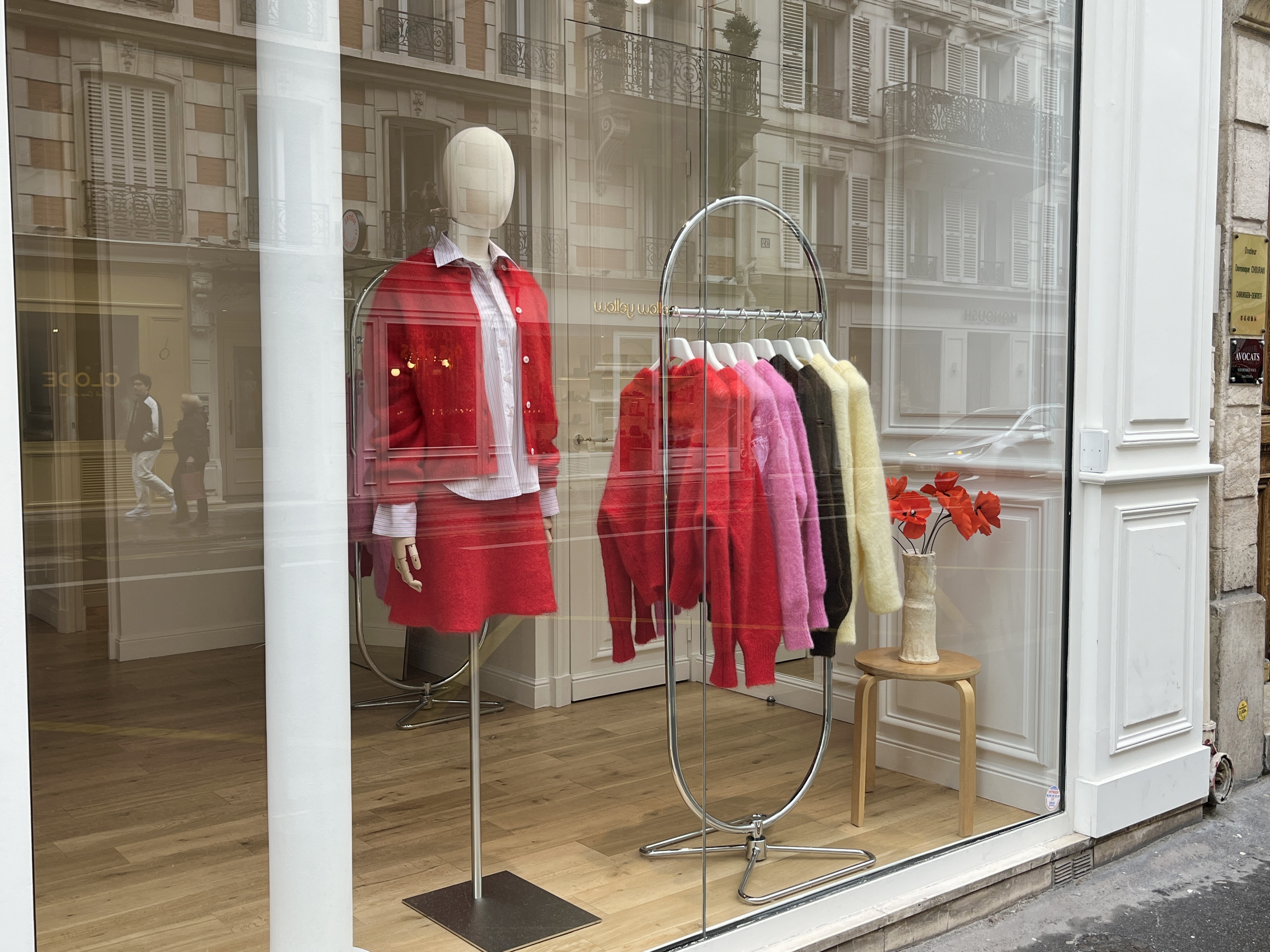
At this address, the shop window works like a billboard campaign: every passer-by becomes a first point of contact with the brand. For a DNVB, that is visibility no online ad budget can match at this cost.
Surprise then repeated the experience at 47 rue du Four, in Saint-Germain-des-Prés. Another bank of the Seine, another clientele, and a new opportunity to gauge demand for the brand outside the Marais.
The pop-up store: a lab to take the time to grow
Opening at the right time
Online, DNVBs are multiplying. Eco-friendly fashion is no exception: brands look alike, acquisition costs keep rising, and standing out on social media has become an expensive exercise.
Surprise drew a simple conclusion: for premium knitwear, the screen has its limits. The feel of knitwear, the drape of a sweater, the quality of a finish are experienced in store, not on a product page.
Physical retail thus became a strategic lever with a twofold effect. It lets the brand connect directly with its customers, and build awareness where e-commerce hits a ceiling.
Expanding the range without pressure
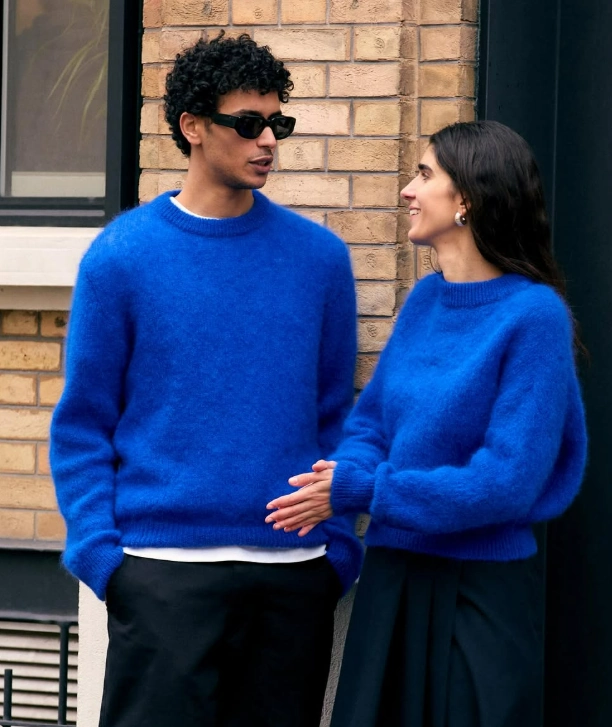
This controlled calendar freed up time and cash. Surprise used it to develop new products that depend less on seasonality. An essential step before considering a store open all year round.

Learning the neighbourhood, street by street
With Nestore, Surprise approached each pop-up as a real-life test. Within a few seasons, the brand learned:
- which streets in the Marais really work for it;
- where its customers are, and when;
- what its customers expect, thanks to their direct in-store feedback.
All on a controlled budget and with no commitment to a commercial lease. Test & learn in its most concrete form: each opening informs the next decision.
Today: permanent stores, opened with full knowledge
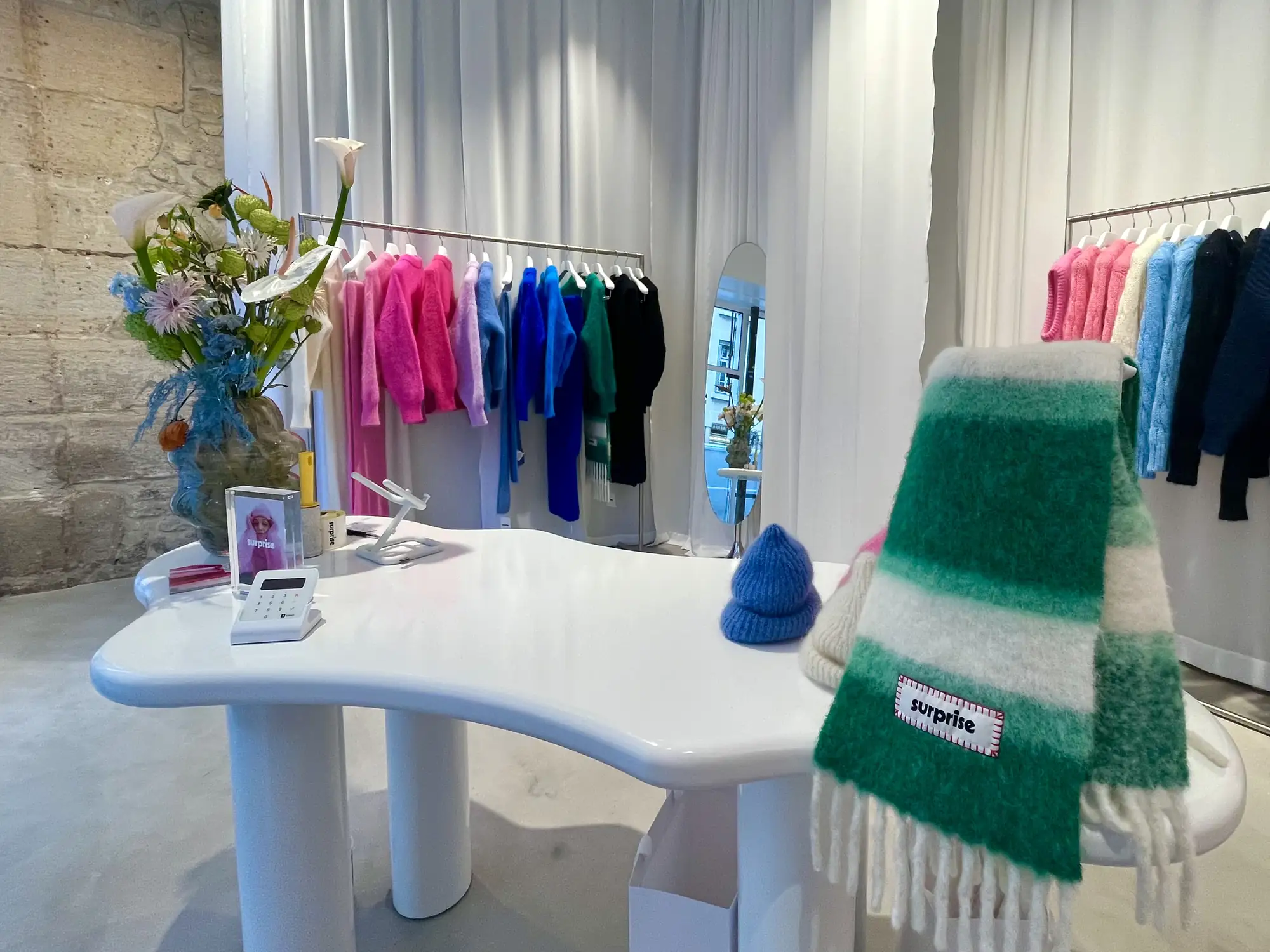
Drawing on these lessons, Surprise has opened several permanent stores in the Marais. The neighbourhood it got to know through pop-ups has become its home turf.
The difference from a traditional opening? The commercial lease is no longer a gamble. Locations are chosen based on observed results, the range has been expanded, and the customers are already there.
The pop-up store did not replace the permanent store. It prepared the way for it.
What the Surprise case teaches us
Surprise's journey illustrates a deeper trend among DNVBs: physical retail isn't decreed, it's built. Three levers made the difference:
- location, chosen for the target clientele rather than mere availability;
- timing, aligned with the product's seasonality;
- method, built on testing, customer feedback and decisions grounded in the field.
Thinking about moving from e-commerce to brick-and-mortar?
Contact our team to find the location for your next pop-up.