

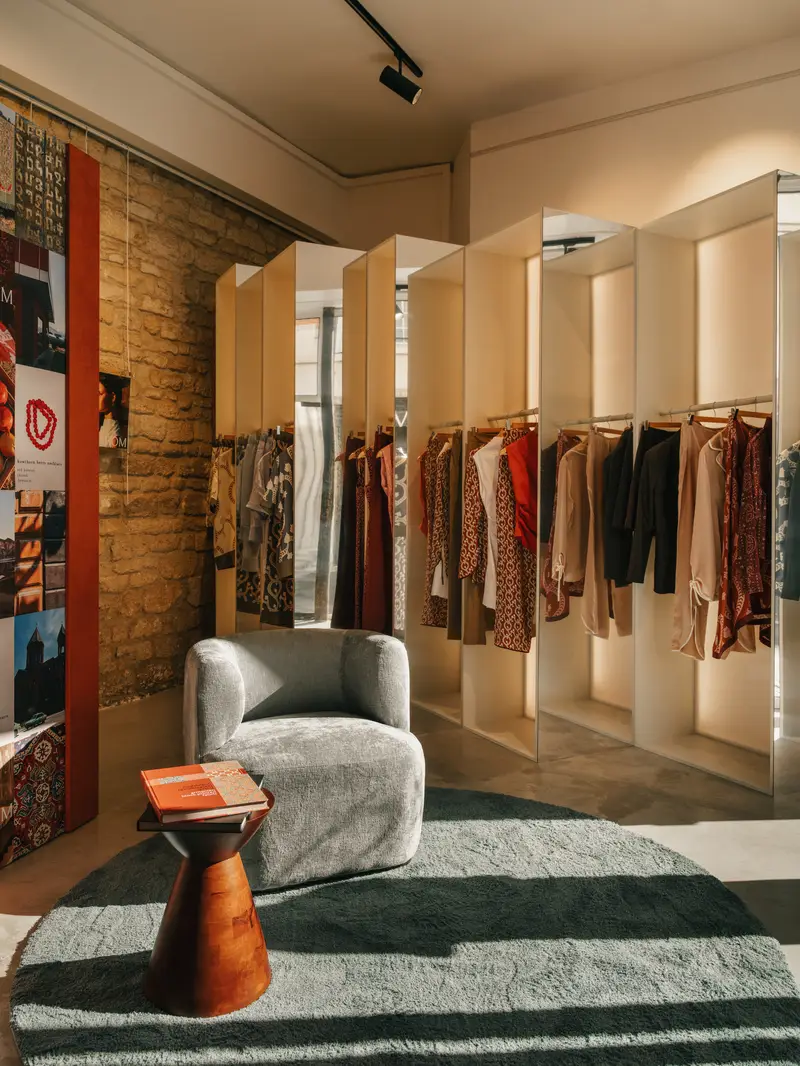

There's no one-size-fits-all answer to how long a pop-up store should run. The right length depends on what you're trying to achieve: a short, high-energy event, a longer market test, or a gradual step toward a permanent presence. At Nestore, rental terms range from one week to three years — and each length serves a distinct strategy.
What does "pop-up store duration" mean, and why is it a strategic decision?
Pop-up store duration: the length of time a brand occupies a temporary retail space, ranging from a few days to several years, depending on its commercial and marketing goals.
Choosing a duration means choosing a strategy. An established brand looking to create a buzzworthy moment has very different needs than a DNVB testing physical retail for the first time. Get the timing wrong, and the whole operation suffers — too short to gather meaningful results, too long to sustain momentum and visibility.
Short-term pop-ups (1 week to 1 month): building urgency, mobilizing your community
When does a short format make sense?
This format works particularly well in two scenarios:
1. Event-driven and experiential activations
Brands looking to make an impression, generate press coverage, or create a standout moment around a launch can lean into the time constraint itself. Scarcity breeds urgency — and urgency drives foot traffic.
2. Brands with a strong digital community
An engaged social media following can be mobilized fast. The pop-up becomes a physical rallying point — a way to turn followers into customers, and customers into advocates.
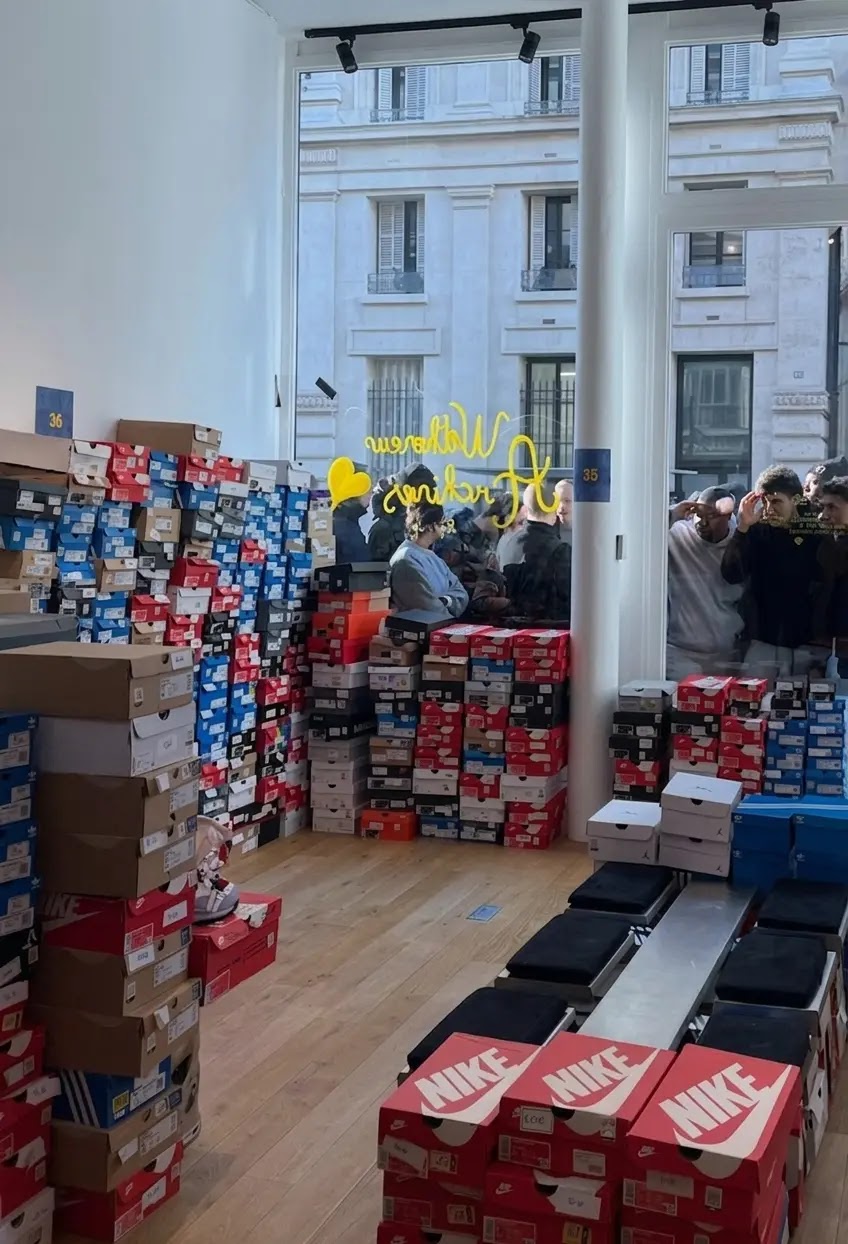
Real example — Wethenew × Nestore, 36 rue Étienne Marcel, Paris
Sneaker platform Wethenew took over Nestore's 36 rue Étienne Marcel location for just a few days. By rallying its community ahead of time, the activation drew a line stretching for hours outside the store. Short format, maximum impact.
Key takeaways
- Short formats work best when you already have an engaged community behind you
- Urgency is a powerful lever — a known closing date pushes people to act
- Ideal for launches, press days, and marketing activations
- Success hinges on preparation: the impact is built before opening day, not during it
Medium-term pop-ups (1 to 6 months): test, learn, adjust
When does a mid-length format make sense?
This is the most common format for brands wanting to test a market without committing long-term. It gives enough time to actually read the numbers — foot traffic, average basket size, customer profile — while staying true to the pop-up spirit.
Looking to measure your pop-up's performance? Check out this guide.
It's the go-to format for DNVBs (Digital Native Vertical Brands) taking their first steps into physical retail, and for independent creators looking to see how their offer lands with a local audience.
What this format lets you do:
- Understand the neighborhood's customer profile and whether it fits your brand
- Test different store layouts or product offerings
- Track seasonal sales patterns
- Build local brand awareness step by step
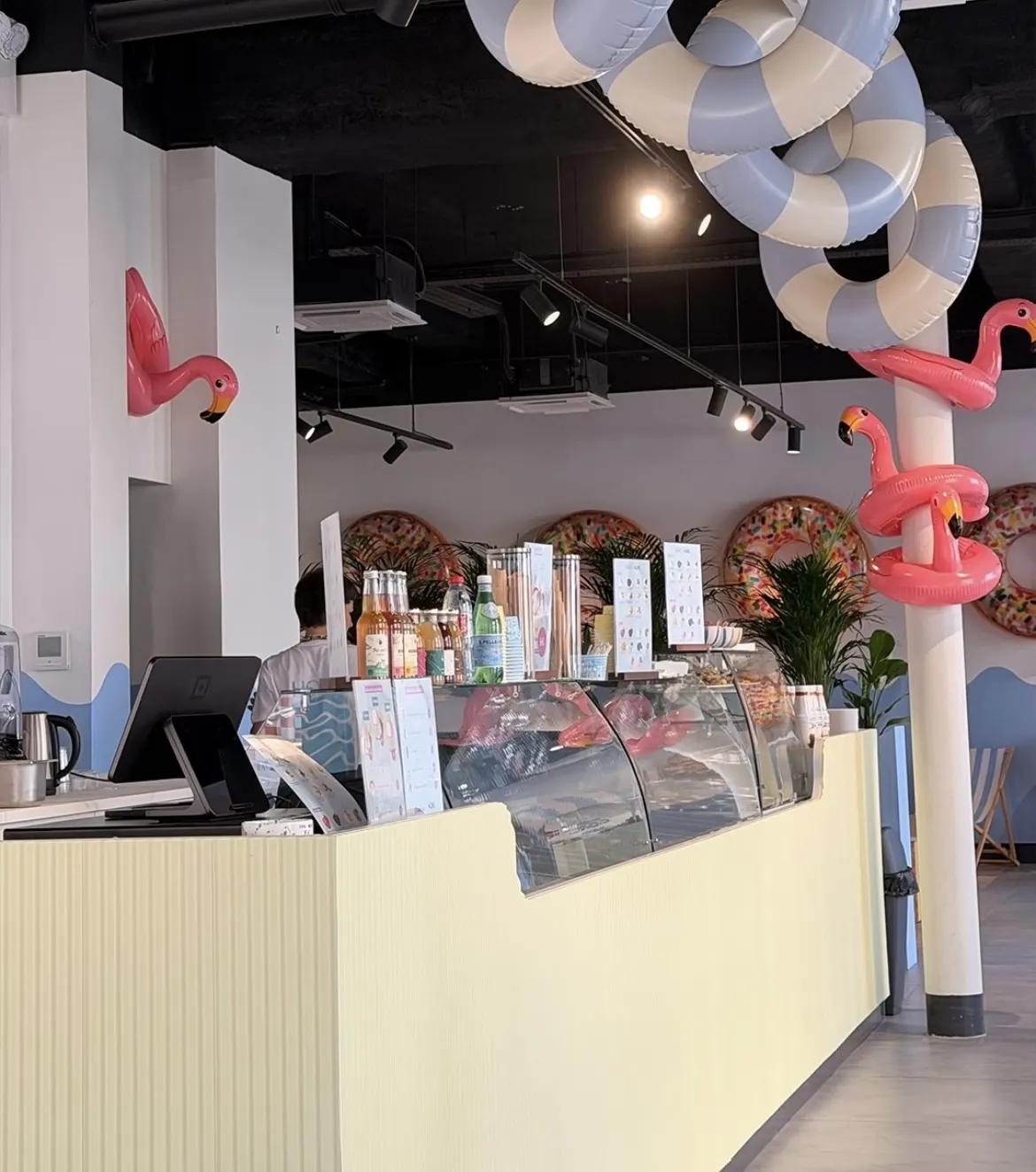
Real example — Home Coffee, 6 La Canebière, Marseille
This Paris-based coffee shop set up in our Canebière location in Marseille for the summer to bring its concept south: ice cream and waffles just steps from the Vieux-Port. A duration matched exactly to the brand's goal — testing the Marseille market.
Key takeaways
- Long-term pop-ups offer the stability of a permanent store without the commitment of a traditional French commercial lease
- Especially well-suited to DNVBs and creators testing physical retail for the first time
- Enables in-depth performance analysis across multiple seasons
- At Nestore, terms range from one week minimum to three years maximum
Long-term pop-ups (6 months to 3 years): settling in without a commercial lease
When does a long-term format make sense?
Long-term pop-ups follow a different logic entirely: it's no longer just about testing — it's about establishing a presence, while keeping the flexibility of a rental agreement instead of the constraints of a traditional French commercial lease.
This format appeals to two distinct types of brands:
Brands transitioning toward permanence
Some brands use a long-term pop-up as a stepping stone before opening a permanent store in the same neighborhood. It gives them time to study the local market in depth, build a loyal customer base, and validate their retail model before signing a long-term lease.
Brands that prefer to stay flexible
Others deliberately choose never to sign a traditional lease. A long-term pop-up gives them a stable physical presence without the legal and financial constraints of a standard commercial contract.
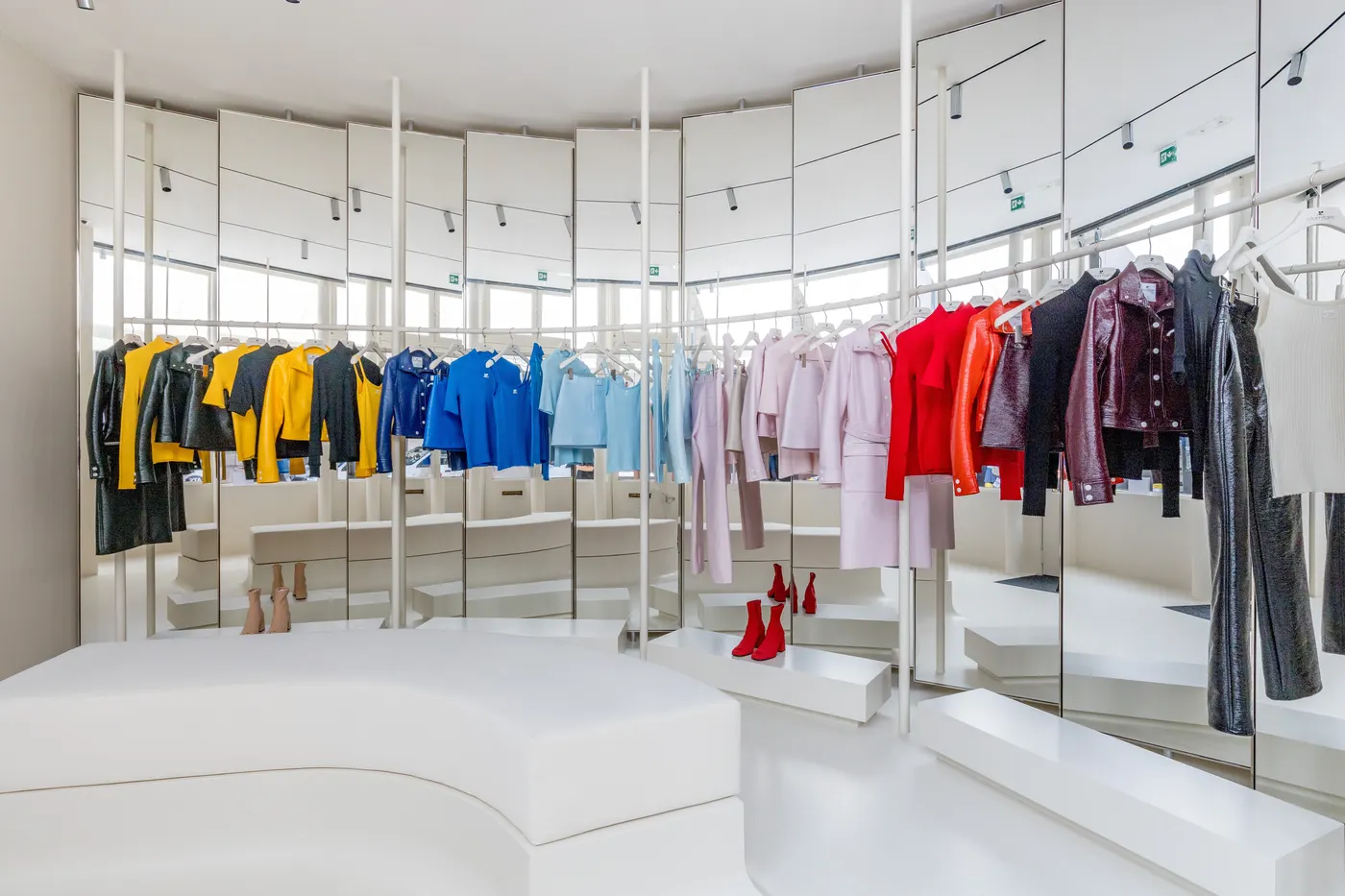
Real example — Courrèges × Nestore, 119 rue Vieille du Temple, Paris 3th.
Fashion house Courrèges occupied Nestore's 119 rue Vieille du Temple location in the Marais ufor 3 years — the maximum term Nestore offers. At the end of that period, the brand decided to open a permanent store in the same neighborhood. The long-term pop-up had done its job: test, validate, then commit.
Key takeaways
- Long-term pop-ups offer the stability of a permanent store without the commitment of a traditional French commercial lease
- Especially well-suited to DNVBs and creators testing physical retail for the first time
- Enables in-depth performance analysis across multiple seasons
- At Nestore, terms range from one week minimum to three years maximum
What's the most common mistake brands make when choosing a duration?
The biggest mistake is underestimating how long it actually takes to see real results from a pop-up. A one-week operation might spark an immediate traffic surge, but its true impact on brand awareness, community growth, and online sales only becomes clear weeks after closing.
Similarly, a brand that picks too short a window for market testing won't have enough data to draw reliable conclusions. The first few weeks of any pop-up tend to be an outlier — novelty skews the numbers. It's usually not until week three or four that buying behavior settles into a pattern you can actually analyze.
Where should you open a pop-up store in Paris? Nestore's neighborhoods
Nestore has locations in several high-potential Parisian neighborhoods: Le Marais, Montmartre, Batignolles, Sentier, Palais-Royal, Canal Saint-Martin, and Saint-Germain-des-Prés. Each one draws a different type of customer — a factor worth weighing alongside your choice of duration and positioning.
Want to go deeper? Read our guide: Which Paris neighborhood should you choose for your pop-up store?
Beyond the capital, cities like Lyon, Marseille, Lille, and Toulouse offer strategic footholds for reaching customers outside of Paris.
FAQ
How much does it cost to rent a pop-up store with Nestore?
Pricing depends on the size of the space, the duration, the neighborhood, and the season. Nestore builds custom quotes — reach out to the team directly to get pricing for your project.
Can a DNVB with no retail experience launch a short-term pop-up?
Technically, yes — but it's not the format we'd recommend for a first outing. A medium-length duration (1 to 3 months) gives you more room to learn and adjust without added pressure.
How do I know which duration fits my goals?
It's simple: if your goal is media impact and community mobilization → go short. If your goal is market testing and learning → go medium or long. If your goal is a gradual, lease-free installation → go long.
Conclusion
The duration of a pop-up store isn't a logistical detail — it's a strategic decision that shapes the entire operation. A week to create a moment, a few months to test the waters, several years to settle in: each format serves a specific intent. The real mistake isn't picking the wrong duration — it's picking one before you've defined your goal.
Nestore helps brands choose the right duration and location for their pop-up store in Paris and across France.
Let's talk about finding the ideal duration for your pop-up store.
.jpg)
.webp)

